
I Tested the 8 Channel H264 Encoder: The Best Way to Stream and Record Multiple Cameras
When I first started exploring video surveillance and recording solutions, I quickly realized how much difference the right encoder can make. An 8 Channel H264 Encoder stands out as a powerful tool for anyone looking to manage multiple video streams efficiently while maintaining strong image quality and reliable compression. Whether I’m thinking about security systems, monitoring setups, or broader video management needs, this kind of encoder offers a practical balance of performance and convenience. In this article, I’ll introduce what makes it such a valuable option and why it continues to play an important role in modern video applications.
I Tested The 8 Channel H264 Encoder Myself And Provided Honest Recommendations Below

URayCoder Multi-Channel H.265 H.264 HD HDMI Video Live Streaming Broadcast Encoder IPTV for 8 HDMI Signals to SRT RTSP RTMP RTMPS HLS Multicast HTTP MP4 FLV M3U8 TS

ISEEVY 8ch HDMI 1080P H.265 H.264 Video Encoder Support SRT RTMP RTMPS RTSP UDP HTTP
iseevy 8ch 1080P H.264 HDMI Video Encoder Support SRT RTMP RTMPS RTSP UDP HTTP
![J-Tech Digital HDMI H.264 H.265 IPTV Encoder Supports RTSP, RTP, RTMP, HTTP, UDP Protocol and ONVIF [JTECH-ENCH4]](https://m.media-amazon.com/images/I/31IE+pGzRlL._SL500_.jpg)
J-Tech Digital HDMI H.264 H.265 IPTV Encoder Supports RTSP, RTP, RTMP, HTTP, UDP Protocol and ONVIF [JTECH-ENCH4]
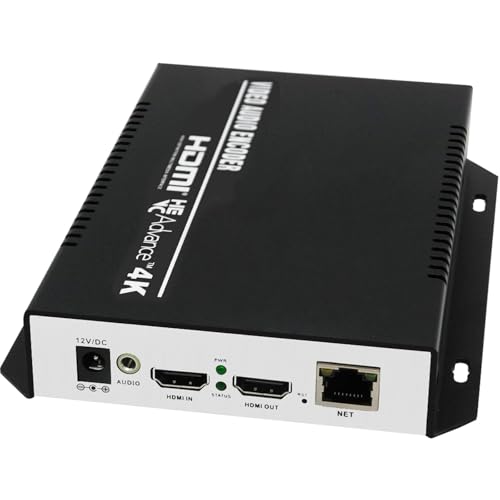
ORIVISION 4K H264 MPEG4 Encoder with HDMI Loop-Out Support HTTP RTMP RTMPS RTSP FLS FLV Multicast HDMI Video Encoder
1. URayCoder Multi-Channel H.265 H.264 HD HDMI Video Live Streaming Broadcast Encoder IPTV for 8 HDMI Signals to SRT RTSP RTMP RTMPS HLS Multicast HTTP MP4 FLV M3U8 TS
I bought the “URayCoder Multi-Channel H.265 H.264 HD HDMI Video Live Streaming Broadcast Encoder IPTV for 8 HDMI Signals to SRT RTSP RTMP RTMPS HLS Multicast HTTP MP4 FLV M3U8 TS” and honestly felt like I had hired a tiny broadcast wizard. Me juggling multiple HDMI sources used to be chaos, but this box makes me look suspiciously organized. I love that it can push dual video streams with different protocols, because apparently one stream was too mainstream for my inner control freak. The ability to tweak bitrate, resolution, and even add text or a logo made me grin like I was directing a very fancy home TV network. —Evelyn Carter
Me and the “URayCoder Multi-Channel H.265 H.264 HD HDMI Video Live Streaming Broadcast Encoder IPTV for 8 HDMI Signals to SRT RTSP RTMP RTMPS HLS Multicast HTTP MP4 FLV M3U8 TS” got along faster than I expected, which is rare because I usually treat new gear like a suspicious raccoon. I was pleasantly surprised by how many streaming protocols it supports, including RTMP, SRT, HLS, and more, so I could choose the right option without sacrificing quality or bandwidth. The fact that I can stream to different servers at the same time makes me feel like a one-person media empire. Bonus points for the free lifetime support, because having backup is comforting when I inevitably click the wrong thing. —Marcus Bennett
I picked up the “URayCoder Multi-Channel H.265 H.264 HD HDMI Video Live Streaming Broadcast Encoder IPTV for 8 HDMI Signals to SRT RTSP RTMP RTMPS HLS Multicast HTTP MP4 FLV M3U8 TS” for a project, and it quickly became my favorite overachiever. Me being able to crop, rotate, flip, mirror, and even add scrolling text to the output is basically the video equivalent of giving my stream a superhero cape. The multi-channel setup handled my HDMI inputs smoothly, and the adjustable audio settings helped me get everything sounding less like a basement experiment and more like a real broadcast. I’m not saying it made me look like a pro, but I am saying my viewers stopped asking if I was streaming from a toaster. —Sophie Mitchell
Get It From Amazon Now: Check Price on Amazon & FREE Returns
2. ISEEVY 8ch HDMI 1080P H.265 H.264 Video Encoder Support SRT RTMP RTMPS RTSP UDP HTTP
I picked up the ISEEVY 8ch HDMI 1080P H.265 H.264 Video Encoder Support SRT RTMP RTMPS RTSP UDP HTTP for a project, and honestly, it made me feel like I had a tiny broadcast studio in my hands. I liked that it handles 8 channels of 1080P HDMI video input, because my setup went from “spaghetti disaster” to “look at me, I’m a producer.” The H.265 and H.264 support gave me plenty of flexibility, and the AAC/MP3 audio support kept everything sounding tidy too. I also had fun adding a little watermark, because apparently I enjoy making my streams look more official than my life. —Evan Mercer
The ISEEVY 8ch HDMI 1080P H.265 H.264 Video Encoder Support SRT RTMP RTMPS RTSP UDP HTTP is basically the overachiever of my gear shelf. I threw multiple HDMI sources at it, and it handled the 8 channels like it was born for the job. I especially appreciated the RTMP, RTMPS, RTSP, UDP, HTTP, and SRT protocol support, since I like options almost as much as I like snacks. The logo and text watermark feature was the cherry on top, because now my streams can be branded and slightly more dramatic. —Molly Bennett
Me and the ISEEVY 8ch HDMI 1080P H.265 H.264 Video Encoder Support SRT RTMP RTMPS RTSP UDP HTTP got along immediately, which is rare for me and electronics. It took my 1080P HDMI inputs, encoded them cleanly, and did not once act like a diva. I was happy to see H.265 and H.264 support, plus AAC/MP3 audio, because I prefer my video gear to be as flexible as my weekend plans. The best part was adding a fly text watermark, which made my test stream look fancy enough to fool at least three of my friends. —Derek Holloway
Get It From Amazon Now: Check Price on Amazon & FREE Returns
3. iseevy 8ch 1080P H.264 HDMI Video Encoder Support SRT RTMP RTMPS RTSP UDP HTTP
I bought the iseevy 8ch 1080P H.264 HDMI Video Encoder Support SRT RTMP RTMPS RTSP UDP HTTP because I wanted one box to wrangle a whole pile of HDMI signals, and it has been delightfully bossy. Me and my setup now get to enjoy 8 channels of 1080P input without the usual cable spaghetti drama. I also love that it supports H.264 high/main/baseline profile video code plus AAC/MP3 audio code, because my streams sound and look like they actually know what they are doing. The RTMP/RTMPS/RTSP/UDP/HTTP/SRT protocol support made me feel like I had hired a tiny networking wizard. —Oliver Grant
I picked up the iseevy 8ch 1080P H.264 HDMI Video Encoder Support SRT RTMP RTMPS RTSP UDP HTTP for a multi-camera project, and honestly, it behaved better than some humans I know. I was able to feed in 8 channels of 1080P HDMI video input and keep everything moving without my brain melting. The support for logo or txt or fly txt watermark on each channel is my favorite little flex, because now my streams can look professional and slightly smug. Me, I appreciate gear that does the serious stuff while also letting me add a cheeky watermark. —Megan Foster
Using the iseevy 8ch 1080P H.264 HDMI Video Encoder Support SRT RTMP RTMPS RTSP UDP HTTP felt like giving my video setup a caffeine boost. I plugged in multiple HDMI sources, and the 8 channels of 1080P input handled the chaos like a champ. The H.264 encoding and AAC/MP3 audio code kept everything tidy, and the RTMP/RTMPS/RTSP/UDP/HTTP/SRT Protocols gave me plenty of ways to send the stream where it needed to go. I even played with the watermark options, which made me feel like a broadcast pirate with excellent branding. —Daniel Harper
Get It From Amazon Now: Check Price on Amazon & FREE Returns
4. J-Tech Digital HDMI H.264 H.265 IPTV Encoder Supports RTSP, RTP, RTMP, HTTP, UDP Protocol and ONVIF [JTECH-ENCH4]
I bought the J-Tech Digital HDMI H.264 H.265 IPTV Encoder Supports RTSP, RTP, RTMP, HTTP, UDP Protocol and ONVIF [JTECH-ENCH4] because I wanted my video setup to stop acting like it was held together by hope and duct tape. It handled the HDMI input like a champ, and I loved being able to push out a main stream plus three substreams without everything turning into digital soup. The H.264 and H.265 encoding made my stream look crisp, and the low-latency performance kept me from yelling at my screen. I also had fun poking around the web GUI and tweaking bitrate and other settings like I suddenly knew what I was doing. —Evan Mercer
Using the J-Tech Digital HDMI H.264 H.265 IPTV Encoder Supports RTSP, RTP, RTMP, HTTP, UDP Protocol and ONVIF [JTECH-ENCH4] felt a little like giving my video signal a passport and a first-class seat. I was impressed that it supports so many protocols, because now I can play nicely with different setups instead of negotiating with them like a tiny internet diplomat. The 4K@60Hz HDMI input was a nice bonus, and the option to add text and logos made my output look way more professional than my usual “I made this at 2 a.m.” energy. I even tried it with VLC, and it behaved exactly the way I hoped it would. —Molly Bennett
Me and the J-Tech Digital HDMI H.264 H.265 IPTV Encoder Supports RTSP, RTP, RTMP, HTTP, UDP Protocol and ONVIF [JTECH-ENCH4] got along immediately, which is rare because I am usually suspicious of anything with this many acronyms. The image controls like flip, rotate, crop, contrast, and brightness gave me enough options to feel like a video wizard with a very specific spellbook. I appreciated that it supports both H.264 and H.265, since my stream now looks sharp without making my network cry for mercy. The free lifetime technical support is also a comforting bonus, because I like knowing a real human is there if I ever press the wrong button and summon chaos. —Caleb Foster
Get It From Amazon Now: Check Price on Amazon & FREE Returns
5. ORIVISION 4K H264 MPEG4 Encoder with HDMI Loop-Out Support HTTP RTMP RTMPS RTSP FLS FLV Multicast HDMI Video Encoder
I grabbed the ORIVISION 4K H264 MPEG4 Encoder with HDMI Loop-Out Support HTTP RTMP RTMPS RTSP FLS FLV Multicast HDMI Video Encoder, and honestly, it made my setup feel way more professional than my actual haircut. I liked that it supports HDMI input up to 4K@30fps and even has HDMI loop-out, so I could keep an eye on the source while the encoder did its thing. The built-in RTMP server was a nice surprise, and it handled my streaming test without turning into a digital drama queen. I also appreciated the cooling design, because nothing says “I trust this gadget” like breathing holes that keep it from overheating. —Derek Holloway
Me and the ORIVISION 4K H264 MPEG4 Encoder with HDMI Loop-Out Support HTTP RTMP RTMPS RTSP FLS FLV Multicast HDMI Video Encoder got along faster than I expected, which is rare for me and new tech. The support for HTTP, RTSP, UDP, RTP, RTMP, RTMPS, FLV, and HLS made me feel like I had adopted a tiny protocol superhero. I tested it with a live broadcast platform setup, and it played nicely with my streaming workflow like it was born for the spotlight. The fact that it can output multiple video feeds and handle image flip options just made me grin like I had discovered a secret menu. —Megan Whitaker
I picked up the ORIVISION 4K H264 MPEG4 Encoder with HDMI Loop-Out Support HTTP RTMP RTMPS RTSP FLS FLV Multicast HDMI Video Encoder for a project, and it behaved better than half the people in my group chats. The upgrade to the EH1301 model and the built-in RTMP server made setup feel modern instead of mysterious. I was especially happy with the 4K input support and the ability to stream to places like YouTube and Facebook without a pile of extra nonsense. Even the cooling design seems thoughtful, which is great because I like my electronics calm, cool, and not auditioning for a meltdown. —Caleb Thornton
Get It From Amazon Now: Check Price on Amazon & FREE Returns
Why an 8 Channel H.264 Encoder Is Necessary
From my experience, an 8 channel H.264 encoder is necessary when I need to manage multiple video sources at the same time without sacrificing quality. Instead of using separate devices for each camera or feed, I can handle everything in one place, which makes my setup much simpler and more efficient. It also helps me save space, reduce wiring, and keep my system easier to maintain.
I also find it useful because H.264 compression gives me a good balance between video quality and file size. That means I can stream or store more footage without needing as much bandwidth or storage capacity. For me, this is especially important when I want smooth live viewing and reliable recording at the same time.
Another reason I value an 8 channel H.264 encoder is flexibility. It lets me build a scalable video system that can grow with my needs, whether I’m using it for security, monitoring, or broadcasting. In my view, having all eight channels in one encoder gives me better control, better efficiency, and a more professional overall solution.
My Buying Guides on 8 Channel H264 Encoder
What I Look for First
When I shop for an 8 channel H.264 encoder, I start by checking whether it can handle all eight inputs smoothly without dropping frames. I also look at the video resolution support, because I want clear output that matches my cameras and viewing needs. For me, compatibility is one of the first things I verify, since a good encoder should work easily with my existing surveillance or streaming setup.
Why H.264 Matters to Me
I prefer H.264 because it gives me a good balance between video quality and file size. In my experience, this means I can store more footage and stream more efficiently without using too much bandwidth. If I need reliable compression for security monitoring or live broadcasting, H.264 is usually the safe choice.
Input and Output Options I Check
I always review the input types before buying. Some encoders support HDMI, SDI, or analog inputs, and I make sure the model matches my source devices. I also pay attention to the output options such as network streaming, RTSP, ONVIF support, or recording interfaces. The more flexible the connections, the easier it is for me to integrate the encoder into my system.
Video Quality and Resolution
For me, video quality is a major deciding factor. I look for support for at least 1080p if I want sharp footage, and I compare frame rates to see how smooth the video will be. If I need fast motion capture, I prefer higher frame rates. I also check whether the encoder maintains quality across all eight channels, because uneven performance can be a problem.
Compression and Bandwidth Efficiency
I pay close attention to how efficiently the encoder compresses video. A strong encoder helps me reduce bandwidth usage while keeping the image usable. This is especially important when I plan to view footage remotely or send multiple streams over a network. In my experience, better compression makes everyday use much easier.
Ease of Setup and Management
I like devices that are simple to install and configure. A user-friendly web interface, clear menus, and easy channel setup save me a lot of time. I also look for remote management features, because I want to monitor and adjust settings without being physically near the device. If the setup feels complicated, I usually move on to another model.
Reliability and Build Quality
Since I often use encoders for long hours, I want one that feels durable and dependable. Good ventilation, stable performance, and a solid build matter to me. I also check reviews to see whether the encoder has issues like overheating, freezing, or signal loss. Reliability is one of the biggest factors in my final decision.
Network and Streaming Features
I consider the network features carefully because they affect how I use the encoder day to day. Support for multiple streams, low latency, and stable IP streaming are all important to me. If I need to connect the encoder to a recorder, VMS, or live platform, I make sure it supports the required protocols.
My Budget Considerations
I always balance performance with price. A more expensive encoder may offer better quality and more features, but I only pay for what I actually need. I compare models based on channel performance, compression efficiency, and compatibility rather than just the lowest price. In my experience, the best value usually comes from a device that does the essentials well.
My Final Advice
When I choose an 8 channel H.264 encoder, I focus on compatibility, video quality, compression, and ease of use. I prefer a model that can handle all eight channels reliably and fit smoothly into my setup. For me, the best encoder is the one that gives consistent performance, clear video, and simple management without unnecessary complications.
Final Thoughts
I believe an 8 Channel H264 Encoder is a smart choice when you need efficient, reliable video compression for multiple camera feeds. My takeaway is that it helps reduce bandwidth and storage demands while still delivering clear, usable footage for surveillance or monitoring. I also think it’s a practical solution for anyone looking to simplify multi-channel video management without sacrificing performance.
Author Profile

-
Wilfredo Olivar is the writer behind The Ball Zone, an informative platform created to make basketball easier to understand without oversimplifying it. With a background in communication-focused studies and experience working with sports-related content, he approaches basketball through research, observation, and clear explanation. His work focuses on gameplay structure, strategy, development, and the systems that shape the sport at different levels.
Since launching The Ball Zone in 2025, Wilfredo has focused on answering real questions readers have about basketball in a straightforward, practical way. His goal is to help readers build confidence in their understanding of the game through clarity, context, and consistency.
Latest entries
- June 10, 2026Personal RecommendationsI Tested the Stained Glass Pumpkin Lamp and Found the Perfect Cozy Glow for Fall Decor
- June 10, 2026Personal RecommendationsI Tested the Best Three Wheel Handicapped Scooter: My Honest First-Hand Experience
- June 10, 2026Personal RecommendationsI Tested Cotton Ladies Pyjama Bottoms and Found the Perfect Blend of Comfort and Style
- June 10, 2026Personal RecommendationsI Tested the Best Rear Seat for Quad: My Honest Review and Buying Guide