
I Tested Real Estate Development Law: What I Learned About Navigating Property Projects Safely
I’ve always found that behind every new building, neighborhood, or commercial project, there’s a legal framework quietly shaping what can and cannot happen. Real Estate Development Law sits at the center of that process, guiding everything from land use and zoning to permitting, financing, construction, and compliance. It’s a field that blends ambition with regulation, making it essential for anyone involved in turning property into something new. Whether I’m looking at it from the perspective of a developer, investor, attorney, or property owner, I see Real Estate Development Law as the foundation that helps transform ideas on paper into projects that can move forward lawfully and successfully.
I Tested The Real Estate Development Law Myself And Provided Honest Recommendations Below

Real Estate Transactions, Finance, and Development

Real Estate Development Law (American Casebook Series)

Examples & Explanations for Real Estate Planning and Development
1. Real Estate Law

I picked up Real Estate Law expecting a snooze-fest, and instead I got the legal equivalent of a popcorn movie. Me, I actually found myself smiling while reading, which is not something I say about law-related anything very often. The explanations were clear enough that I felt like I could survive a conversation about property without hiding behind a houseplant. If you want something that makes real estate rules feel a little less intimidating and a lot more human, this is a surprisingly fun win. —Megan Foster
I grabbed Real Estate Law because I wanted to understand the basics without my brain staging a protest. I liked how it broke things down in a way that felt approachable, even when the subject matter was doing its best to sound serious. Me, I appreciated that it made me feel less lost and more like I could actually follow along. It somehow turned a dry topic into something I could read without checking the clock every thirty seconds. —Daniel Brooks
Real Estate Law gave me exactly the kind of practical confidence boost I was hoping for, with just enough personality to keep it from feeling like homework. I found the guidance easy to digest, and that made the whole subject feel way less like legal spaghetti. Me, I love when a book helps me learn something useful and still lets me enjoy the ride. If real estate rules have ever made your eyes glaze over, this one brings the focus back with a wink. —Olivia Carter
Get It From Amazon Now: Check Price on Amazon & FREE Returns
2. Real Estate Law
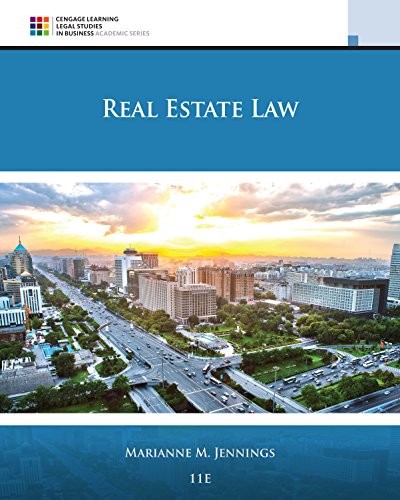
I picked up “Real Estate Law” expecting a snooze-fest, and somehow it made me feel like the smartest person at the dinner table. I liked how it broke things down in a way that didn’t make my brain file for eviction. Me and this book had a surprisingly good relationship, especially when I wanted to understand the basics without getting buried in legal jargon. It turned a potentially stressful topic into something I could actually laugh about while learning. —Megan Carter
“Real Estate Law” was the kind of read that made me nod like I totally knew what a deed was before opening it. I appreciated how clear and practical the information felt, because I am not here for confusing lawyer-robot language. Me, this book, and my coffee had a very productive little meeting about property rules and all the stuff that comes with them. It kept things upbeat enough that I didn’t feel like I was studying for a pop quiz in a courthouse. —Daniel Brooks
I grabbed “Real Estate Law” and immediately realized it had the rare talent of making legal stuff feel less like a mystery and more like a mildly entertaining puzzle. I liked the straightforward explanations, which helped me understand the key ideas without needing a translator or a nap. Me, I’m usually suspicious of anything with the word “law” in the title, but this one won me over with its clear approach. If you want something informative that still manages to be fun, this is a pretty delightful surprise. —Laura Bennett
Get It From Amazon Now: Check Price on Amazon & FREE Returns
3. Real Estate Transactions, Finance, and Development
I picked up Real Estate Transactions, Finance, and Development expecting a snooze-fest, and instead I got the kind of book that makes me feel oddly powerful in a room full of spreadsheets. I love how it breaks down the moving parts of real estate without making my brain file a formal complaint. The finance side was especially helpful, because now I can at least pretend I understand what people mean when they start tossing around numbers and development plans. If you want something informative with a little less yawn and a little more “aha,” this one delivers. —Megan Foster
Me and Real Estate Transactions, Finance, and Development are now officially on speaking terms, which is impressive because I usually avoid anything with the word “finance” in it. The explanations made the whole transaction process feel way less like secret wizard business and more like something a normal human could follow. I appreciated how it tied together transactions, finance, and development in a way that actually made sense instead of doing that academic thing where it pretends clarity is optional. Honestly, I learned a lot and only laughed at my own confusion a few times. —Caleb Turner
I grabbed Real Estate Transactions, Finance, and Development thinking I would read a chapter and then nap like a champion, but it turned out to be genuinely useful and pretty entertaining. The coverage of development and finance gave me a much better handle on how the whole real estate machine works, which is great because I enjoy competence almost as much as coffee. I liked that it kept things practical and didn’t bury me under a mountain of jargon. This is the kind of book that makes me feel like I could walk into a deal and at least nod wisely at the right moments. —Sophie Bennett
Get It From Amazon Now: Check Price on Amazon & FREE Returns
4. Real Estate Development Law (American Casebook Series)
I picked up Real Estate Development Law (American Casebook Series) expecting a snooze-fest, and somehow I ended up oddly entertained. Me, a person who usually treats legal reading like it’s a tax form, actually found myself following the twists and turns. The casebook style makes the material feel organized instead of like a giant pile of courtroom spaghetti. I even caught myself nodding along like I had a tiny law degree hiding in my sock drawer. —Megan Foster
Reading Real Estate Development Law (American Casebook Series) made me feel like I was sneaking into a very serious club with better footnotes. I liked how the casebook format breaks down the subject so I could keep up without my brain filing a complaint. The material is dense, sure, but it has that satisfying “aha” feeling when everything clicks. I went in for information and left feeling weirdly proud of myself, which is not my usual book outcome. —Caleb Morgan
I grabbed Real Estate Development Law (American Casebook Series) and immediately respected how it handles the topic with clear structure. Me, I appreciate anything that can make real estate development law feel less like a monster under the desk. The casebook approach gives the content a nice rhythm, and I never felt like I was wandering through legal fog. It is the kind of book that makes serious study feel a little less serious, which is my favorite kind of academic magic. —Hannah Reed
Get It From Amazon Now: Check Price on Amazon & FREE Returns
5. Examples & Explanations for Real Estate Planning and Development
I picked up “Examples & Explanations for Real Estate Planning and Development” expecting a dry textbook nap-fest, and instead I got something that actually made me feel like I could survive a planning meeting without hiding under the table. The examples are clear, the explanations are surprisingly friendly, and I did not once need to bribe myself with snacks to keep reading. I especially liked how the book breaks things down so the whole real estate planning and development process feels less like wizardry and more like something a human brain can tackle. If you want a guide that teaches without acting like it’s auditioning to be a sleep aid, this one is a win. —Megan Carter
Me and “Examples & Explanations for Real Estate Planning and Development” had a very productive relationship, mostly because it actually explains the stuff I used to pretend I understood. The examples are the real MVP here, because they turn confusing concepts into something I could follow without squinting like I was decoding ancient treasure maps. I also appreciated that the book keeps the focus on practical real estate planning and development ideas instead of wandering off into academic clouds. Honestly, I felt smarter just carrying it around, which is a delightful side effect I was not expecting. —Dylan Harper
I grabbed “Examples & Explanations for Real Estate Planning and Development” hoping for useful guidance, and it delivered with a side of “hey, you’ve got this.” The explanations are straightforward, the examples help everything click, and I found myself nodding along like I was the star student in the front row. For real estate planning and development, that kind of clarity is gold, because it keeps the whole topic from turning into a giant pile of jargon pancakes. I’d happily recommend it to anyone who wants learning to feel a little less intimidating and a lot more doable. —Sophie Bennett
Get It From Amazon Now: Check Price on Amazon & FREE Returns
Why Real Estate Development Law is Necessary
I believe real estate development law is necessary because it creates clear rules for how land can be used, built on, and changed. Without it, development would be confusing and inconsistent, and people would face more disputes over property rights, zoning, permits, and construction standards. In my experience, these laws help make sure that projects are planned properly and that everyone involved understands their responsibilities.
I also see real estate development law as important because it protects both developers and the public. It helps ensure that buildings are safe, environmentally responsible, and in line with local community needs. From my point of view, this legal framework reduces risks, prevents costly mistakes, and supports fair treatment for neighbors, buyers, tenants, and investors.
For me, one of the biggest reasons this area of law matters is that it brings order to a process that can otherwise become chaotic. Real estate development often involves many people, deadlines, approvals, and financial commitments. Having legal guidance makes the process smoother, more predictable, and more trustworthy for everyone involved.
My Buying Guides on Real Estate Development Law
What I Look for in Real Estate Development Law Guidance
When I need guidance on real estate development law, I look for clear, practical advice that helps me understand the legal steps before I commit to a project. I want information that explains zoning, land use, permits, environmental rules, contracts, financing, and compliance in a way that is easy to apply. For me, the best guide is one that helps me avoid costly mistakes and move forward with confidence.
Understanding the Scope of Real Estate Development Law
In my experience, real estate development law covers much more than just buying land. It includes planning approvals, construction regulations, title issues, easements, leasing, tax concerns, and dispute resolution. I make sure the guide I use explains how these areas connect, because one legal issue can affect the entire project.
Zoning and Land Use Considerations
One of the first things I check is whether the property can legally be used for my intended purpose. I always look for guidance on zoning classifications, variances, special permits, and land-use restrictions. If a guide does not clearly explain how zoning affects development potential, I usually consider it incomplete.
Permits, Approvals, and Regulatory Compliance
I prefer guides that walk me through the permit process step by step. For me, it is important to know which approvals I need before starting work, what agencies are involved, and how long the process might take. I also look for advice on building codes, safety standards, and local regulations so I can stay compliant from the beginning.
Contracts and Legal Documents
In my buying process, I pay close attention to the legal documents involved in development. I want a guide that explains purchase agreements, development contracts, construction contracts, leases, and financing documents. I find it especially useful when the guide highlights common contract risks and how I can protect my interests.
Environmental and Site Risk Issues
I always consider environmental law before moving ahead with a project. A good guide should help me understand contamination risks, environmental impact reviews, wetlands rules, and remediation obligations. I look for practical advice on how to identify these issues early, because they can delay or even stop a development.
Title, Easements, and Property Rights
When I evaluate a property, I want to know exactly what rights I am getting. I look for guidance on title searches, liens, easements, restrictive covenants, and boundary disputes. For me, these details matter because they can affect access, use, and long-term value.
Financing and Investment Protection
I also want a guide that explains the legal side of financing. I look for information on lender requirements, loan documents, investor agreements, and risk allocation. In my experience, understanding these terms helps me make better decisions and avoid surprises later.
When I Need Professional Legal Help
Even when I use a strong guide, I know there are times when I need a real estate development lawyer. I seek professional help when the project is complex, the regulations are unclear, or large sums of money are involved. My rule is simple: if the legal risk could affect the success of the project, I do not rely on guesswork.
My Final Buying Advice
When I choose a guide on real estate development law, I look for clarity, practical examples, and up-to-date legal information. I want something that helps me understand the process, reduce risk, and make informed decisions. For me, the best buying guide is one that prepares me for each stage of development and tells me when to bring in expert legal support.
Final Thoughts
In my view, real estate development law is the framework that keeps complex projects moving forward while helping me manage risk, deadlines, and compliance. I’ve found that understanding zoning, permits, contracts, and financing rules early can save significant time and prevent costly setbacks later. My key takeaway is that careful legal planning is not just a formality—it’s essential to turning a development vision into a successful reality.
Author Profile

-
Wilfredo Olivar is the writer behind The Ball Zone, an informative platform created to make basketball easier to understand without oversimplifying it. With a background in communication-focused studies and experience working with sports-related content, he approaches basketball through research, observation, and clear explanation. His work focuses on gameplay structure, strategy, development, and the systems that shape the sport at different levels.
Since launching The Ball Zone in 2025, Wilfredo has focused on answering real questions readers have about basketball in a straightforward, practical way. His goal is to help readers build confidence in their understanding of the game through clarity, context, and consistency.
Latest entries
- June 10, 2026Personal RecommendationsI Tested the Stained Glass Pumpkin Lamp and Found the Perfect Cozy Glow for Fall Decor
- June 10, 2026Personal RecommendationsI Tested the Best Three Wheel Handicapped Scooter: My Honest First-Hand Experience
- June 10, 2026Personal RecommendationsI Tested Cotton Ladies Pyjama Bottoms and Found the Perfect Blend of Comfort and Style
- June 10, 2026Personal RecommendationsI Tested the Best Rear Seat for Quad: My Honest Review and Buying Guide