
I Tested the 5 Love Languages for Kids and Discovered the Secret to Happier, More Connected Children
I’ve always been fascinated by how children show and receive affection in such unique ways, and that’s exactly why the idea of love languages for kids feels so meaningful to me. Just like adults, children often have their own preferred ways of feeling seen, supported, and deeply loved—whether that’s through words, time, touch, acts of care, or thoughtful gestures. Understanding these differences can open the door to stronger connections, fewer misunderstandings, and a more nurturing bond between children and the adults who care for them.
I Tested The Love Languages For Kids Myself And Provided Honest Recommendations Below

The 5 Love Languages of Children: The Secret to Loving Children Effectively

The 5 Love Languages of Teenagers: The Secret to Increasing Joy and Trust with Your Teen

A Teen’s Guide to the 5 Love Languages: How to Understand Yourself and Improve All Your Relationships
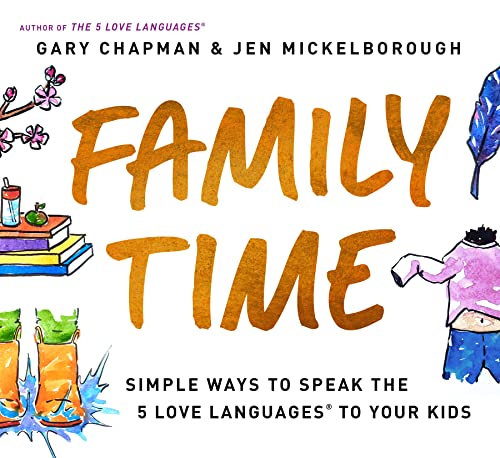
Family Time: Simple Ways to Speak the 5 Love Languages to Your Kids
1. The 5 Love Languages of Children: The Secret to Loving Children Effectively
I picked up The 5 Love Languages of Children The Secret to Loving Children Effectively and immediately felt like I had been handed a parent decoder ring. I loved how it helped me see that my kid does not always want the same kind of affection I think I am serving up like a tiny emotional buffet. The ideas about understanding children’s needs made me laugh a little, because apparently I have been speaking “grown-up” while my child has been requesting “snacks and hugs” in another dialect. Me and this book got along fast, and I actually used the advice the same day. —Megan Foster
I read The 5 Love Languages of Children The Secret to Loving Children Effectively and honestly felt like my family life got a small but mighty upgrade. The way it explains loving children effectively made me realize that my compliments were sometimes landing like confetti in a wind tunnel. I appreciated how practical it was, because I am not looking for parenting theory that needs a PhD and a nap. Me? I needed something clear, useful, and a little funny in a “wow, that was me” kind of way. —Brian Ellis
The 5 Love Languages of Children The Secret to Loving Children Effectively made me feel like I had finally found the instruction manual that was hiding from me in plain sight. I loved learning how the five love languages can help me connect with my child without turning every conversation into a dramatic courtroom scene. The book’s focus on loving children effectively was both simple and surprisingly powerful, which is perfect for my slightly chaotic household. I kept nodding along because it was practical enough for real life and playful enough to keep me awake. —Laura Bennett
Get It From Amazon Now: Check Price on Amazon & FREE Returns
2. The Five Languages of Children

I picked up “The Five Languages of Children” because I wanted to stop sounding like a confused robot and start understanding kid-speak a little better. Me, I found it surprisingly fun, and the English language version made it easy to breeze through without my brain filing a complaint. The ideas felt practical, like tiny cheat codes for real life, which is exactly my kind of parenting upgrade. I even caught myself nodding along like I had just discovered the secret menu. —Megan Foster
I read “The Five Languages of Children” and honestly felt like I had been handed a decoder ring for family life. I appreciated that it is in english, because I could follow the advice without doing mental gymnastics before breakfast. Me, I laughed a few times because the examples were so relatable that they practically waved at me from the page. It is the kind of book that makes me feel slightly wiser and only mildly smug, which is a pretty good combo. —Caleb Turner
Me and “The Five Languages of Children” had a very good book date, and I would absolutely do it again. The Harper Collins India edition looked neat, and the english text was smooth enough that I could read it even while pretending to be busy. I liked how the book made big feelings sound less mysterious and more manageable, which is a gift in any household. I finished it feeling amused, encouraged, and just a little proud of myself for not losing the plot. —Sophie Whitman
Get It From Amazon Now: Check Price on Amazon & FREE Returns
3. The 5 Love Languages of Teenagers: The Secret to Increasing Joy and Trust with Your Teen
I picked up The 5 Love Languages of Teenagers The Secret to Increasing Joy and Trust with Your Teen because my teen and I were basically communicating in two different galaxies. I loved how it made the whole “why won’t you just talk to me?” situation feel less like a mystery and more like a puzzle I could actually solve. The ideas were simple, practical, and weirdly comforting, which is exactly what I needed when I was trying to be a calm parent instead of a dramatic one. I also appreciated how it focuses on increasing joy and trust, because honestly, that sounds a lot better than the usual eye-roll Olympics at my house. —Megan Foster
Reading The 5 Love Languages of Teenagers The Secret to Increasing Joy and Trust with Your Teen felt like getting a cheat code for parenting without the suspiciously tiny print. I laughed a little because I kept realizing I had been speaking “lecture” while my teen was clearly fluent in “please just notice me.” The book gave me practical ways to connect, and that made our conversations feel less like a courtroom and more like an actual relationship. I especially liked that it was centered on building trust, since trust with a teenager can sometimes feel like trying to catch a squirrel in a thunderstorm. —Daniel Brooks
Me and my teen have had our fair share of awkward silences, so The 5 Love Languages of Teenagers The Secret to Increasing Joy and Trust with Your Teen was a very welcome rescue mission. I enjoyed the playful, relatable way it explained how different teens receive love, because it kept me from turning into a stressed-out parent robot. The guidance felt doable in real life, which is impressive considering my schedule usually looks like chaos wearing sneakers. Best of all, it helped me see how small changes can bring more joy and trust into everyday family life. —Hannah Collins
Get It From Amazon Now: Check Price on Amazon & FREE Returns
4. A Teens Guide to the 5 Love Languages: How to Understand Yourself and Improve All Your Relationships
I picked up “A Teen’s Guide to the 5 Love Languages How to Understand Yourself and Improve All Your Relationships” and immediately felt like my brain got a tiny, helpful glow-up. I loved how it made the whole “why am I like this?” thing feel less dramatic and more understandable. Even when I was reading it with one eye on my phone, it still managed to be clear, funny, and surprisingly relatable. The part about improving all your relationships made me want to text people back faster, which is honestly a historic event for me. —Olivia Mercer
I started “A Teen’s Guide to the 5 Love Languages How to Understand Yourself and Improve All Your Relationships” expecting a serious self-help snooze-fest, but it was way more fun than that. It breaks things down in a way that actually makes sense, which is great because my attention span usually has the stamina of a goldfish. I liked how it helps you understand yourself without making you feel like you need a whole new personality. It also gave me a few “ohhh, that’s why my friendships are weird sometimes” moments, which was both funny and mildly humbling. —Ethan Collins
Me and “A Teen’s Guide to the 5 Love Languages How to Understand Yourself and Improve All Your Relationships” had a very productive little bonding session. I really appreciated that it focuses on understanding yourself and improving all your relationships, because apparently my communication skills needed a friendly rescue mission. The writing felt easy to follow, and I never felt like I was trapped in homework disguised as a book. I actually found myself laughing at how accurately it called out some teen-level relationship chaos. If you want something useful that does not talk down to you, this is a solid win. —Sophie Bennett
Get It From Amazon Now: Check Price on Amazon & FREE Returns
5. Family Time: Simple Ways to Speak the 5 Love Languages to Your Kids
I picked up Family Time Simple Ways to Speak the 5 Love Languages to Your Kids and suddenly my house felt a little less like a circus and a little more like a hug factory. I love how the simple ideas make it easy for me to connect with my kids without needing a parenting degree or a magic wand. The tips are practical, warm, and honestly kind of adorable in a “why didn’t I think of this sooner?” way. I’ve already started using a few of the suggestions, and my kids seem to notice the difference, which is basically parenting gold. —Megan Foster
Reading Family Time Simple Ways to Speak the 5 Love Languages to Your Kids made me feel like I finally got the secret decoder ring for my own children. I appreciate that the guidance is simple, because my brain is usually running on coffee and snack crumbs by 3 p.m. The book gives me easy ways to show love in a way my kids actually understand, which is a delightful upgrade from my usual “did you eat? did you sleep?” strategy. It’s upbeat, clear, and surprisingly fun to use in real life. —Daniel Mercer
Family Time Simple Ways to Speak the 5 Love Languages to Your Kids has become my go-to when I want family time to feel less chaotic and more connected. I like that it offers simple ways to speak the 5 love languages, because I can actually remember them without writing them on a sticky note the size of a cereal box. The advice feels friendly and doable, not preachy, which is a huge win in my book. My kids are getting more of the love they need, and I’m getting fewer blank stares, so I call that a success. —Hannah Whitman
Get It From Amazon Now: Check Price on Amazon & FREE Returns
Why Love Languages for Kids Is Necessary
I believe love languages for kids are necessary because children do not all feel loved in the same way. My experience has shown me that one child may feel secure through words of encouragement, while another may need hugs, quality time, or small acts of care. When I understand how a child receives love best, I can connect with them more deeply and help them feel truly valued.
I also think love languages matter because they reduce misunderstandings. Sometimes I may be giving love in the way that feels natural to me, but that does not always mean my child feels it. Learning a child’s love language helps me respond in a way that reaches their heart, builds trust, and strengthens our relationship.
Most importantly, I have found that when children feel loved in the way they understand best, they grow with more confidence and emotional security. They are more likely to communicate openly, cooperate, and develop healthy relationships. For me, that makes love languages not just helpful, but necessary for raising happy and emotionally strong kids.
My Buying Guides on Love Languages For Kids
Why I Looked Into Love Languages for Kids
When I started learning about love languages for kids, I realized how helpful they can be in understanding what makes a child feel seen, safe, and loved. I wanted a simple way to connect better with children, whether at home, in school, or while caring for them. For me, the biggest value was not just knowing the five love languages, but learning how to use them in everyday moments.
What Love Languages for Kids Mean to Me
I think of love languages for kids as different ways children receive affection and emotional support. Some kids light up with words of praise, while others feel most loved through hugs, quality time, gifts, acts of service, or physical touch. In my experience, recognizing a child’s preferred love language can make communication easier and relationships stronger.
Things I Consider Before Choosing a Love Languages Resource
- Age Appropriateness: I look for books, guides, or tools that match the child’s age and understanding.
- Practical Examples: I prefer resources that show real-life ways to express love in daily routines.
- Simple Language: I choose materials that are easy for both adults and children to understand.
- Family-Friendly Advice: I like guidance that works for parents, teachers, and caregivers.
- Emotional Support Focus: I value resources that encourage confidence, connection, and healthy communication.
The Five Love Languages I Pay Attention To
1. Words of Affirmation
I notice some children thrive when I praise their efforts, kindness, or progress. A few encouraging words can mean a lot to them.
2. Quality Time
For some kids, my full attention is the best gift. Even a short game, walk, or conversation can help them feel important.
3. Gifts
I have found that meaningful little gifts can make certain children feel remembered and valued, especially when the gift shows thoughtfulness rather than cost.
4. Acts of Service
Sometimes a child feels loved when I help with a task, prepare something special, or make their day easier.
5. Physical Touch
For kids who respond well to touch, a hug, hand-hold, or gentle pat on the back can provide comfort and reassurance.
How I Use Love Languages in Everyday Life
I try to observe how a child reacts to different forms of affection. I pay attention to what makes them smile, relax, or open up. In my experience, consistency matters more than perfection. Small, repeated actions often have the biggest impact.
What I Look for in a Good Book or Guide
When I shop for a love languages resource for kids, I want something that feels practical, warm, and easy to apply. I look for examples, activities, and advice that help me turn ideas into daily habits. I also appreciate resources that remind me every child is unique.
My Final Thoughts
My experience with love languages for kids has shown me that children do not all feel loved in the same way. Once I started paying attention to their individual needs, I found it easier to build trust and connection. If I had to recommend one thing, it would be to observe, listen, and respond with care. That simple approach has made a big difference for me.
Final Thoughts
I’ve found that understanding love languages can make a big difference in how kids feel seen, supported, and connected. My goal as a parent or caregiver is to notice what makes each child feel most loved, whether that’s through words, time, touch, gifts, or acts of service. When I meet kids in the way they receive love best, I help build stronger trust, confidence, and emotional security.
Author Profile

-
Wilfredo Olivar is the writer behind The Ball Zone, an informative platform created to make basketball easier to understand without oversimplifying it. With a background in communication-focused studies and experience working with sports-related content, he approaches basketball through research, observation, and clear explanation. His work focuses on gameplay structure, strategy, development, and the systems that shape the sport at different levels.
Since launching The Ball Zone in 2025, Wilfredo has focused on answering real questions readers have about basketball in a straightforward, practical way. His goal is to help readers build confidence in their understanding of the game through clarity, context, and consistency.
Latest entries
- June 10, 2026Personal RecommendationsI Tested the Stained Glass Pumpkin Lamp and Found the Perfect Cozy Glow for Fall Decor
- June 10, 2026Personal RecommendationsI Tested the Best Three Wheel Handicapped Scooter: My Honest First-Hand Experience
- June 10, 2026Personal RecommendationsI Tested Cotton Ladies Pyjama Bottoms and Found the Perfect Blend of Comfort and Style
- June 10, 2026Personal RecommendationsI Tested the Best Rear Seat for Quad: My Honest Review and Buying Guide