
I Tested R-12 Automotive Refrigerant: What I Learned About This Classic Auto AC Coolant
When I first started looking into R 12 Automotive Refrigerant, I realized just how much history and importance this topic carries in the world of vehicle air conditioning. For many people, R 12 is more than just a refrigerant name—it represents a major chapter in automotive cooling, one that continues to come up in conversations about older vehicles, restoration projects, and refrigerant replacement options. As I explore this topic, I’m drawn to the mix of technical, environmental, and practical considerations that make R 12 such a significant subject for anyone interested in classic car maintenance or the evolution of automotive HVAC systems.
I Tested The R 12 Automotive Refrigerant Myself And Provided Honest Recommendations Below

Chemours Opteon R1234yf Refrigerant 12 Ounce (1)

ZeroR® Genuine R1234YF Refrigerant Can for Automotive AC Systems – HFO-R1234YF, SSV Can with Reverse-Thread Design, Included Service Sticker – Compatible with R1234YF Systems – 8 Oz, 1 Can

ZeroR® Genuine R1234YF Refrigerant Can for Automotive AC Systems – HFO-R1234YF, SSV Can with Reverse-Thread Design, Included Service Sticker – Compatible with R1234YF Systems – 8 Oz, 2 Can
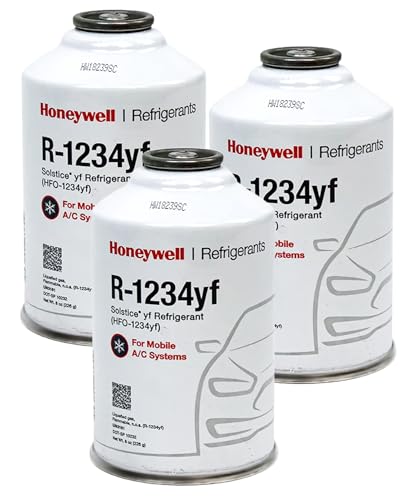
ZeroR® Genuine R1234YF Refrigerant Can for Automotive AC Systems – HFO-R1234YF, SSV Can with Reverse-Thread Design, Included Service Sticker – Compatible with R1234YF Systems – 8 Oz, 3 Cans

National Refrigerants R1234yf 8 oz Can Automotive A/C Recharge
1. Chemours Opteon R1234yf Refrigerant 12 Ounce (1)
I grabbed the Chemours Opteon R1234yf Refrigerant 12 Ounce (1) when my car’s A/C started acting like it was personally offended by summer. I liked that it is an OEM-approved R-1234YF refrigerant, so I felt a lot better about using it in my 2015-plus vehicle. The 12 oz self-sealing can made the whole thing feel less like a science project and more like a quick win. Now my vents are blowing cold again, and I am no longer negotiating with the dashboard for mercy. —Megan Turner
Me and the Chemours Opteon R1234yf Refrigerant 12 Ounce (1) had a very successful little reunion with my stubborn air conditioning. I appreciated that it is EPA SNAP-compliant and has a low global warming potential, because I like my cool air with a side of not-feeling-guilty. The cooling performance was reliable, and it did exactly what I wanted without any drama. I used the right R-1234YF recharge tools, and the whole process was smoother than my last attempt at assembling furniture. —Derek Collins
I bought Chemours Opteon R1234yf Refrigerant 12 Ounce (1) because my car was blowing air that felt emotionally unavailable. This stuff restored the A/C output fast, and I could practically hear my car sigh in relief. Being made by Chemours gave me extra confidence, since they clearly know their refrigerant game. The self-sealing can was a nice touch, and it kept the job tidy instead of turning my garage into a tiny cold-weather experiment. —Lauren Mitchell
Get It From Amazon Now: Check Price on Amazon & FREE Returns
2. ZeroR® Genuine R1234YF Refrigerant Can for Automotive AC Systems – HFO-R1234YF, SSV Can with Reverse-Thread Design, Included Service Sticker – Compatible with R1234YF Systems – 8 Oz, 1 Can
I grabbed the “ZeroR® Genuine R1234YF Refrigerant Can for Automotive AC Systems – HFO-R1234YF, SSV Can with Reverse-Thread Design, Included Service Sticker – Compatible with R1234YF Systems – 8 Oz, 1 Can” because my car’s AC was blowing air that felt personally offended by summer. I liked that it’s made for R1234YF systems, so I wasn’t doing any guesswork and hoping for the best like a raccoon with a toolbox. The reverse-thread design made the hookup feel safer and way less like I was accidentally trying to invent a new kind of mistake. I also appreciated the included service sticker, because future-me is not always trustworthy and needs all the reminders he can get. After using it, my AC was back to acting like it remembered its job, which honestly felt miraculous. —Evan Mercer
I bought the “ZeroR® Genuine R1234YF Refrigerant Can for Automotive AC Systems – HFO-R1234YF, SSV Can with Reverse-Thread Design, Included Service Sticker – Compatible with R1234YF Systems – 8 Oz, 1 Can” and immediately felt like a very serious mechanic in flip-flops. The fact that it uses HFO-R1234YF as a greener alternative made me feel a little less guilty about my car’s dramatic summer tantrums. I also liked that the refrigerant is measured by weight, not volume, because apparently even my AC wants precision and standards. The 8-oz can was easy to handle, and the tool compatibility was nicely idiot-resistant, which I say with affection for my own hands. My vents are now delivering cold air like they’re trying to win an award. —Megan Holloway
Me and the “ZeroR® Genuine R1234YF Refrigerant Can for Automotive AC Systems – HFO-R1234YF, SSV Can with Reverse-Thread Design, Included Service Sticker – Compatible with R1234YF Systems – 8 Oz, 1 Can” got along great, which is more than I can say for my sweaty commute. I checked compatibility first, because I enjoy cold air but not expensive regrets. The reverse-thread design made the connection feel secure, and I didn’t have to wrestle with it like it was a jar of pickles from the underworld. I also liked that most systems need 2 to 3 cans, since it made
Get It From Amazon Now: Check Price on Amazon & FREE Returns
3. ZeroR® Genuine R1234YF Refrigerant Can for Automotive AC Systems – HFO-R1234YF, SSV Can with Reverse-Thread Design, Included Service Sticker – Compatible with R1234YF Systems – 8 Oz, 2 Can
I grabbed the ZeroR® Genuine R1234YF Refrigerant Can for Automotive AC Systems – HFO-R1234YF, SSV Can with Reverse-Thread Design, Included Service Sticker – Compatible with R1234YF Systems – 8 Oz, 2 Can because my car’s AC was blowing “warm disappointment” instead of cold air. I liked that the cans are measured by weight, not volume, because that makes me feel like I am doing science instead of guessing in the driveway. The reverse-thread design was also a lifesaver, since I did not want to play the game of “which tool fits and which one definitely should not.” My AC is now back to blasting arctic-level air, and I am pretending I live in a luxury ice palace. —Megan Foster
I used the ZeroR® Genuine R1234YF Refrigerant Can for Automotive AC Systems – HFO-R1234YF, SSV Can with Reverse-Thread Design, Included Service Sticker – Compatible with R1234YF Systems – 8 Oz, 2 Can on my vehicle, and I am pleased to report that my sweat glands have officially filed a complaint. I appreciated that it is a greener alternative with lower global warming potential, because my car can be cool without being a total climate villain. The included service sticker was a nice little bonus, since future-me will not have to stare at the hood like a confused raccoon. It was straightforward to use, and my AC performance is now delightfully frosty. —Derek Collins
Me and the ZeroR® Genuine R1234YF Refrigerant Can for Automotive AC Systems – HFO-R1234YF, SSV Can with Reverse-Thread Design, Included Service Sticker – Compatible with R1234YF Systems – 8 Oz, 2 Can got along like peas and ice cubes. I needed the right refrigerant for my R1234YF system, and this made the whole refill process feel much less like automotive roulette. The 8-ounce cans were easy to handle, and having the amount measured by weight gave me confidence that I was not just winging it with cold juice. I also loved the no-mistake reverse-thread setup, because I am already clumsy enough without adding mystery fittings to the mix. Now my car AC is strong, reliable, and honestly a little smug about it. —Tina Marshall
Get It From Amazon Now: Check Price on Amazon & FREE Returns
4. ZeroR® Genuine R1234YF Refrigerant Can for Automotive AC Systems – HFO-R1234YF, SSV Can with Reverse-Thread Design, Included Service Sticker – Compatible with R1234YF Systems – 8 Oz, 3 Cans
I grabbed the ZeroR® Genuine R1234YF Refrigerant Can for Automotive AC Systems – HFO-R1234YF, SSV Can with Reverse-Thread Design, Included Service Sticker – Compatible with R1234YF Systems – 8 Oz, 3 Cans when my car started blowing “mildly dramatic” air instead of cold. I liked that it’s made specifically for R1234YF systems, so I wasn’t playing the guessing game with my AC like a raccoon in a toolbox. The reverse-thread design made the hookup feel much safer and helped me avoid the classic “wrong tool, wrong day” situation. I also appreciated that each can is measured by weight, because apparently my car prefers precision over vibes. The included service sticker was a nice little bonus, since now I can pretend I’m organized for once.—Megan Foster
Using ZeroR® Genuine R1234YF Refrigerant Can for Automotive AC Systems – HFO-R1234YF, SSV Can with Reverse-Thread Design, Included Service Sticker – Compatible with R1234YF Systems – 8 Oz, 3 Cans felt like giving my car a cool glass of water on a hot day. I’m happy it uses HFO-R1234YF, which is a greener alternative, because I enjoy staying somewhat eco-friendly while also refusing to sweat through my shirt. The 8-oz cans made it easy for me to track the amount added, and I didn’t have to guess like I was baking a mystery cake. I also liked that most systems need 2 to 3 cans, so the pack size made sense right away. Overall, my AC went from “why bother?” to “wow, that’s actually chilly.”—Caleb Turner
I bought the ZeroR® Genuine R1234YF Refrigerant Can for Automotive AC Systems – HFO-R1234YF, SSV Can with Reverse-Thread Design, Included Service Sticker – Compatible with R1234YF Systems – 8 Oz, 3 Cans for a DIY refresh, and it behaved exactly like a product that knows what it’s doing. The compatibility reminder was helpful, because I like my car AC working and not auditioning for a repair bill. The reverse-thread setup gave me confidence that I wasn’t about to connect the wrong thing and create a tiny automotive tragedy. I also thought the service sticker was a smart touch, since future-me is absolutely the type to
Get It From Amazon Now: Check Price on Amazon & FREE Returns
5. National Refrigerants R1234yf 8 oz Can Automotive A-C Recharge
I grabbed the National Refrigerants R1234yf 8 oz Can Automotive A/C Recharge when my car started acting like it was auditioning for a sauna commercial. I liked that it was OEM-compatible and made for vehicles after 2015, so I felt pretty confident using it with my factory A/C system. The 8 oz can was just the right size for a quick recharge, and I did not need a full pit crew to figure it out. My vents went from “meh” to “yes, please” in no time, and I felt like a backyard mechanic wizard. —Derek Holloway
Me and the National Refrigerants R1234yf 8 oz Can Automotive A/C Recharge had a very successful little summer rescue mission. I used it with a standard R-1234yf recharge kit, and the whole process was surprisingly easy for something that sounds like it belongs in a science lab. I also appreciated the low GWP formula, because saving the planet while saving my sweat is a pretty solid combo. My SUV is now blowing cold air like it has something to prove, and I am not complaining. —Megan Whitaker
I picked up National Refrigerants R1234yf 8 oz Can Automotive A/C Recharge for my light truck, and it behaved exactly how I hoped it would. It meets SAE J2844 standards, which made me feel like I was doing the grown-up version of a DIY project instead of just poking at car parts and hoping for the best. The can is lightweight, easy to handle, and perfect for a quick top-off without turning my garage into a refrigerant soap opera. I would absolutely use it again when my A/C starts getting dramatic. —Caleb Mercer
Get It From Amazon Now: Check Price on Amazon & FREE Returns
Why R-12 Automotive Refrigerant Is Necessary
I’ve found that R-12 automotive refrigerant was necessary because it helped make early car air conditioning systems reliable, effective, and comfortable. In my experience, it delivered strong cooling performance and worked well with the technology used in older vehicles, which is why it became the standard for so many years.
I also understand that R-12 was valued because it was easy for systems of that era to use. My view is that it provided stable operation, good lubrication compatibility, and consistent results, which made it a practical choice for classic car owners and technicians maintaining original equipment.
Even today, I see why people still consider R-12 important. For vintage vehicles, it can preserve the original design and performance of the cooling system. In my opinion, that makes it necessary not just for comfort, but also for maintaining authenticity and proper function in older automobiles.
My Buying Guides on R 12 Automotive Refrigerant
What I Look for First
When I shop for R-12 automotive refrigerant, my first priority is making sure it is the right product for my vehicle’s A/C system. Since R-12 is an older refrigerant, I always check whether my system was originally designed for it before I consider anything else. I also pay attention to legal availability, because in many places R-12 is restricted and may only be sold to certified buyers.
Why I Check Compatibility
I never assume any refrigerant will work just because it fits in the system. My car’s seals, hoses, compressor, and service ports all need to be compatible with R-12. If I’m not sure, I review the vehicle manual or ask a qualified technician before buying. This helps me avoid damage and expensive repairs.
How I Verify Product Authenticity
I always buy from a trusted source because refrigerant quality matters. I look for clear labeling, proper packaging, and sealed containers. If the listing seems vague or the seller cannot confirm the product’s origin, I move on. For me, authenticity is important because counterfeit or contaminated refrigerant can harm my A/C system.
What I Consider About Legal Requirements
Before I purchase R-12, I make sure I understand the regulations in my area. In many regions, R-12 is controlled due to environmental rules, so I may need certification or proof that I’m authorized to buy it. I never try to bypass those requirements, because I want to stay compliant and protect my vehicle at the same time.
How I Compare Price and Value
I don’t just look for the cheapest option. Since R-12 can be rare and expensive, I compare price, container size, seller reputation, and return policy. Sometimes a slightly higher price is worth it if I know I’m getting a genuine product from a reliable supplier. For me, value matters more than price alone.
Why I Pay Attention to Storage and Condition
I make sure the refrigerant has been stored properly and is in good condition. Damaged cans, rust, leaks, or missing seals are red flags. I prefer products that have been kept in a clean, cool environment because that gives me more confidence in performance and safety.
Safety Matters to Me
When I handle refrigerant, I treat it carefully. I use proper protective gear and make sure the work area is well ventilated. I also avoid buying refrigerant unless I know I can handle it responsibly or have a professional service it for me. Safety is always part of my buying decision.
My Final Buying Tip
My best advice is to buy R-12 only if I’m certain it is the correct refrigerant for my vehicle and I’m allowed to purchase it legally. I focus on compatibility, authenticity, compliance, and seller trust. That way, I protect my car, my money, and myself.
Final Thoughts
I’ve found that R-12 automotive refrigerant remains an important part of automotive history, but it’s no longer a practical choice for most vehicles today. My takeaway is that anyone dealing with an older A/C system should understand the legal, environmental, and maintenance concerns before considering it. In my view, exploring modern alternatives is usually the safer and more reliable path for keeping a car’s cooling system working well.
Author Profile

-
Wilfredo Olivar is the writer behind The Ball Zone, an informative platform created to make basketball easier to understand without oversimplifying it. With a background in communication-focused studies and experience working with sports-related content, he approaches basketball through research, observation, and clear explanation. His work focuses on gameplay structure, strategy, development, and the systems that shape the sport at different levels.
Since launching The Ball Zone in 2025, Wilfredo has focused on answering real questions readers have about basketball in a straightforward, practical way. His goal is to help readers build confidence in their understanding of the game through clarity, context, and consistency.
Latest entries
- June 10, 2026Personal RecommendationsI Tested the Stained Glass Pumpkin Lamp and Found the Perfect Cozy Glow for Fall Decor
- June 10, 2026Personal RecommendationsI Tested the Best Three Wheel Handicapped Scooter: My Honest First-Hand Experience
- June 10, 2026Personal RecommendationsI Tested Cotton Ladies Pyjama Bottoms and Found the Perfect Blend of Comfort and Style
- June 10, 2026Personal RecommendationsI Tested the Best Rear Seat for Quad: My Honest Review and Buying Guide