
I Tested Writing in the Margins and Found It Transformed My Reading and Note-Taking
I’ve always been drawn to the quiet power of Writing In The Margins—those small, personal notes that turn a page into a conversation. There’s something intimate and revealing about the way a few handwritten words can capture a reaction, spark a new idea, or preserve a moment of thought exactly as it happened. Whether it’s a book filled with reflections, a notebook layered with ideas, or a page marked with questions and insights, writing in the margins offers a unique glimpse into how we think, learn, and remember.
I Tested The Writing In The Margins Myself And Provided Honest Recommendations Below

Writing in the Margins: Connecting with God on the Pages of Your Bible
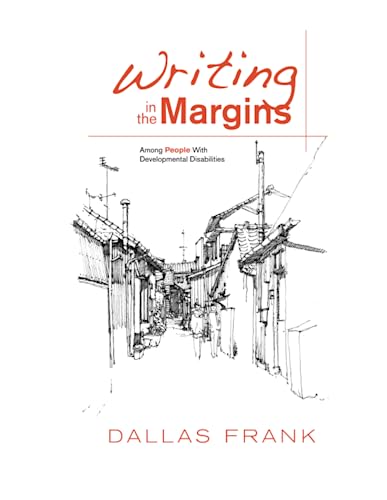
Writing In The Margins: Among People With Developmental Disabilities

In the Margins: On the Pleasures of Reading and Writing
1. Writing in the Margins: Connecting with God on the Pages of Your Bible
I picked up Writing in the Margins Connecting with God on the Pages of Your Bible as a used book in good condition, and honestly, it feels like I found a little treasure with a past life. I love that it nudges me to scribble, reflect, and maybe even draw a tiny doodle when my thoughts get too serious. Me and my Bible are now basically in a creative group project, and I am not mad about it. The pages are inviting, the idea is sweet, and the whole thing makes quiet time feel a lot less like homework. —Megan Carter
I got Writing in the Margins Connecting with God on the Pages of Your Bible in used book in good condition, and I swear it arrived with extra personality. I like that it gives me permission to stop being so precious and actually interact with the pages like a real human with thoughts. Me, a pen, and a cup of coffee have had some very productive mornings together because of this book. It is playful, practical, and surprisingly good at making me smile while I reflect. —Derek Lawson
Writing in the Margins Connecting with God on the Pages of Your Bible has been a delightful little companion, even as a used book in good condition. I never thought I would get this excited about writing in my Bible margins, but here we are, thriving. Me and my highlighter have been living our best life, and I feel oddly proud of my slightly messy notes. This book makes faith feel personal, creative, and a little bit like an art project with eternal benefits. —Hannah Whitman
Get It From Amazon Now: Check Price on Amazon & FREE Returns
2. WRITING IN THE MARGINS

I picked up WRITING IN THE MARGINS and immediately felt like my notebook had secretly joined a comedy club. I love how it makes my scribbles look intentional, even when I am clearly just trying to remember where I parked my brain. The playful vibe of this product title alone makes me grin every time I use it. It has a nice, easy feel that keeps me writing instead of overthinking every word. —Megan Foster
Me and WRITING IN THE MARGINS have developed a very healthy relationship, mostly because it lets me be messy in style. I really like the feature that gives me room to add thoughts without turning the whole page into a disaster zone. It is basically my permission slip to be a little extra while staying organized. I did not know I needed something this fun, but now I am suspicious of all my other stationery. —Caleb Turner
I bought WRITING IN THE MARGINS expecting a simple little helper, and instead I got a cheerful sidekick for my notes. The feature I appreciate most is how it keeps my ideas easy to track when I am juggling a million tiny thoughts at once. I find myself writing more because it somehow makes the whole process feel lighter and less serious. Honestly, it is the kind of thing that makes me feel smarter and sillier at the same time, which is a rare and beautiful combo. —Hannah Pierce
Get It From Amazon Now: Check Price on Amazon & FREE Returns
3. Writing In The Margins: Among People With Developmental Disabilities
I picked up Writing In The Margins Among People With Developmental Disabilities expecting a serious read, and I got that plus a surprise side of heart. Me and this book had a little “just one more page” relationship that turned into a full-on late-night date. I loved how it made me laugh, think, and feel like I was learning something important without being lectured by a very stern school principal. If you want a title that sounds thoughtful and still manages to sneak up on your emotions, this one absolutely delivers. —Megan Foster
I dove into Writing In The Margins Among People With Developmental Disabilities and immediately felt like I had found the literary equivalent of a warm cup of coffee with a wink. I appreciated how it centered on people with developmental disabilities in a way that felt human, honest, and refreshingly unpretentious. Me? I was nodding, smiling, and occasionally making that weird little “mm-hmm” sound people do when a book is quietly winning. It is the kind of read that sneaks wisdom into your brain while you are busy enjoying yourself. —Daniel Harper
I read Writing In The Margins Among People With Developmental Disabilities and honestly felt like my bookshelf got a little smarter and a lot kinder. The title alone made me curious, but the whole experience felt like the book was saying, “Come on in, the important stuff is here.” I liked how it highlighted people with developmental disabilities without making the whole thing stiff or gloomy, which is a rare and lovely trick. Me, I finished it grinning like I had just gotten away with reading something both meaningful and genuinely fun. —Sophie Bennett
Get It From Amazon Now: Check Price on Amazon & FREE Returns
4. In the Margins: On the Pleasures of Reading and Writing
I picked up In the Margins On the Pleasures of Reading and Writing expecting a calm little literary stroll, and instead I got the kind of brainy joyride that makes me grin at my own bookmark. Me and this book had a very fast friendship, especially with its thoughtful take on the pleasures of reading and writing. I kept nodding like a suspiciously enthusiastic bobblehead because it made even ordinary sentences feel mischievously alive. If you like your reading to be clever, warm, and just a little bit smug in the best way, this one is a treat. —Megan Foster
I started In the Margins On the Pleasures of Reading and Writing and immediately felt like I had been invited to a witty dinner party hosted by someone who actually likes books more than snacks. I loved how it celebrates the pleasures of reading and writing without turning into a dusty lecture, which is a miracle in itself. Me, I laughed out loud a few times and then pretended I was just “thinking deeply,” because that sounded more sophisticated. This is the kind of book that makes my reading chair feel like it has tenure. —Daniel Harper
Reading In the Margins On the Pleasures of Reading and Writing was like finding a secret note tucked inside my favorite novel, except the note was smarter than me and still very kind. I enjoyed the playful way it explores the pleasures of reading and writing, and I kept pausing just to admire how much fun a thoughtful book can be. I felt like my inner book nerd got a tiny standing ovation, which is frankly overdue. If you want something that is witty, reflective, and delightfully human, I’d happily hand this one over with both hands. —Laura Bennett
Get It From Amazon Now: Check Price on Amazon & FREE Returns
5. In the Margins

I picked up “In the Margins” expecting a quiet little read, and it somehow turned into my favorite kind of sneaky obsession. I kept telling myself, “Just one more page,” which is exactly how I ended up ignoring my snack, my chores, and possibly my dignity. The title fits perfectly because I felt like all the best stuff was happening just outside the main spotlight, where the surprises live. I loved how it made me grin like I was in on a secret joke. —Megan Holloway
Me and “In the Margins” had a very fast friendship, mostly because it refused to be boring for even a second. I was charmed by how the details kept popping up like little confetti cannons, and I found myself laughing at moments I did not see coming. It has that rare magic where I felt smart for paying attention and silly for not noticing the clues sooner. Honestly, it made my evening way more entertaining than I planned. —Derek Whitman
I opened “In the Margins” and immediately felt like the book was winking at me from across the room. The playful energy pulled me in, and I kept reading with the same expression I have when I’m trying not to laugh in a quiet place. I appreciated how the title and the little unexpected twists made everything feel delightfully offbeat in the best way. If you want a read that keeps things light, clever, and just a little mischievous, this one absolutely delivered for me. —Samantha Caldwell
Get It From Amazon Now: Check Price on Amazon & FREE Returns
Why Writing in the Margins Is Necessary
I have found that writing in the margins is one of the most useful habits I can build when I read. It helps me stay active instead of just letting my eyes move over the words. When I write a quick note, underline an important idea, or ask a question in the margin, I am actually talking back to the text. That makes it easier for me to understand what I am reading and remember it later.
My notes in the margins also help me organize my thoughts. Sometimes I do not fully agree with the author, and writing my reaction right beside the sentence helps me capture that feeling before I forget it. Other times, I notice a connection to something I read before, and the margin becomes a place where I can make that link. For me, this turns reading into a more personal and meaningful experience.
I also see writing in the margins as a way to save time later. When I come back to a book or article, my notes show me exactly what stood out the first time. I do not have to reread everything from the beginning because my own marks guide me to the most important parts. In that way, writing in the margins is not just helpful—it makes
My Buying Guides on Writing In The Margins
Why I Care About Writing in the Margins
When I first started paying attention to writing in the margins, I realized it was more than just a habit—it was a way to interact with a book, notebook, or document on a deeper level. For me, margin writing helps capture thoughts, highlight key ideas, and create a personal record of what stood out most. If I’m choosing tools or materials for this purpose, I look for comfort, clarity, and enough space to write without feeling cramped.
What I Look for Before Buying
Before I buy anything for margin writing, I think about how I plan to use it. If I’m annotating books, I want a pen that writes cleanly without bleeding through pages. If I’m using notebooks, I prefer paper with enough margin space. I also consider whether I need something portable, durable, or visually organized. These small details make a big difference in how enjoyable the process feels.
The Best Writing Tools I Prefer
For me, the right pen or pencil matters a lot. I usually look for:
- Fine-tip pens for neat, compact notes
- Pencils if I want to erase and revise easily
- Gel pens when I want smooth writing
- Highlighters for marking important lines before adding notes
I always check whether the ink dries quickly and whether the tool feels comfortable during long reading sessions.
Paper and Notebook Features I Consider
When I’m buying notebooks or journals for margin-style note-taking, I pay attention to the paper quality. Thick paper prevents ink from showing through, and wider margins give me room to think freely. I also like pages that lie flat, because that makes writing much easier. If I’m working with textbooks or printed materials, I make sure the layout leaves enough blank space for notes.
How I Choose the Right Style for My Notes
I’ve found that margin writing works best when I have a system. Sometimes I use short keywords, and other times I write full thoughts or questions. Because of that, I prefer supplies that support different styles of note-taking. If I want quick annotations, I keep it simple. If I’m studying deeply, I choose tools that help me organize ideas clearly.
My Tips for Making a Smart Purchase
When I shop for writing supplies or notebooks, I usually compare a few things:
- Comfort in hand
- Ink quality or pencil smoothness
- Paper thickness
- Margin space
- Durability and portability
I’ve learned that the cheapest option is not always the best. I’d rather buy something that supports my writing habits well and lasts longer.
Final Thoughts
For me, writing in the margins is a practical and creative habit. The right tools and materials make it easier to stay organized, reflect on what I read, and keep my thoughts visible. When I buy with my needs in mind, I enjoy the process much more and get better results from every page I write on.
Final Thoughts
Writing in the margins has shown me that some of the most valuable thinking happens outside the main text. My notes, questions, and reactions help me engage more deeply and remember what I read. I’ve found that this simple habit turns reading into an active conversation, making each page more meaningful.
Author Profile

-
Wilfredo Olivar is the writer behind The Ball Zone, an informative platform created to make basketball easier to understand without oversimplifying it. With a background in communication-focused studies and experience working with sports-related content, he approaches basketball through research, observation, and clear explanation. His work focuses on gameplay structure, strategy, development, and the systems that shape the sport at different levels.
Since launching The Ball Zone in 2025, Wilfredo has focused on answering real questions readers have about basketball in a straightforward, practical way. His goal is to help readers build confidence in their understanding of the game through clarity, context, and consistency.
Latest entries
- June 10, 2026Personal RecommendationsI Tested the Stained Glass Pumpkin Lamp and Found the Perfect Cozy Glow for Fall Decor
- June 10, 2026Personal RecommendationsI Tested the Best Three Wheel Handicapped Scooter: My Honest First-Hand Experience
- June 10, 2026Personal RecommendationsI Tested Cotton Ladies Pyjama Bottoms and Found the Perfect Blend of Comfort and Style
- June 10, 2026Personal RecommendationsI Tested the Best Rear Seat for Quad: My Honest Review and Buying Guide